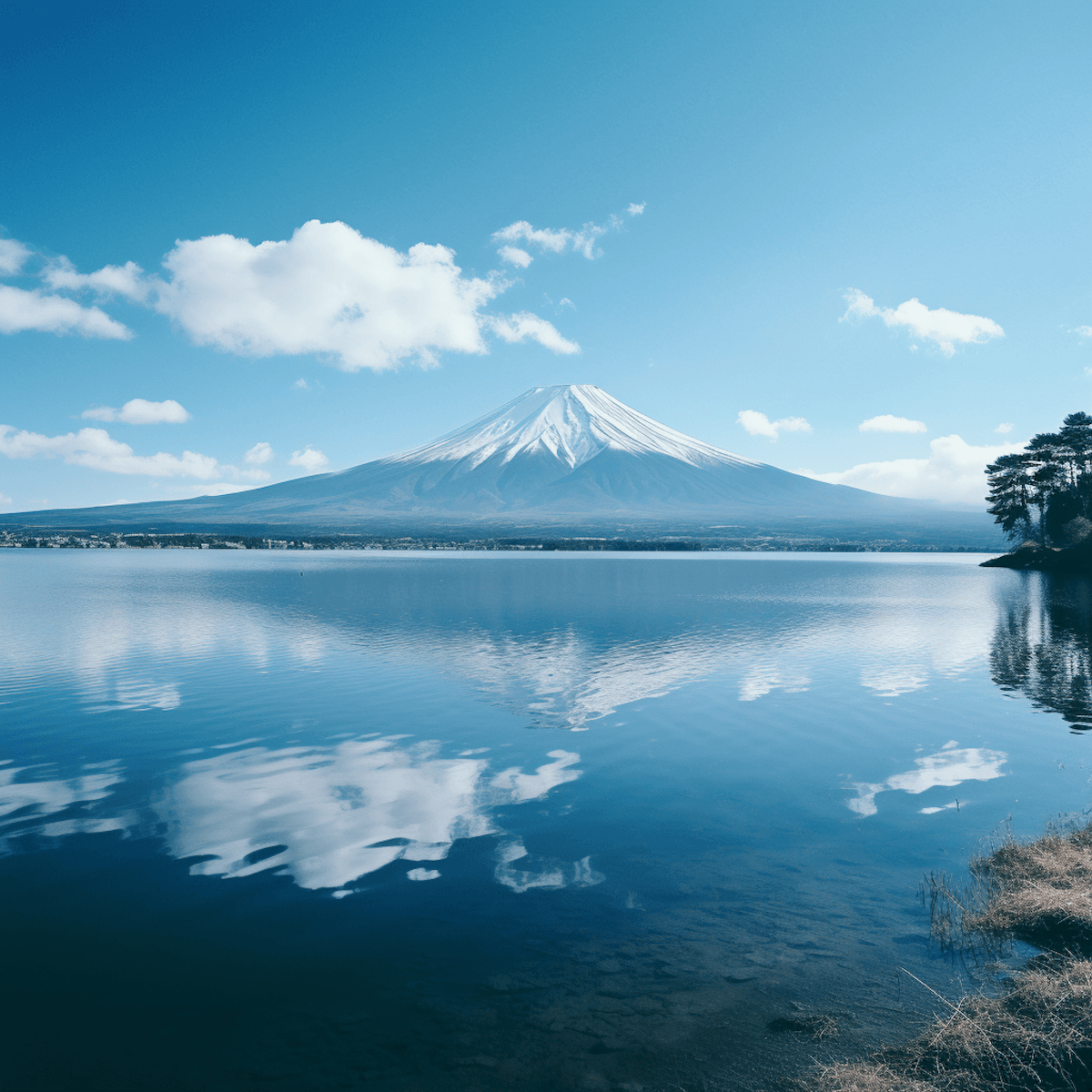
Tanzania
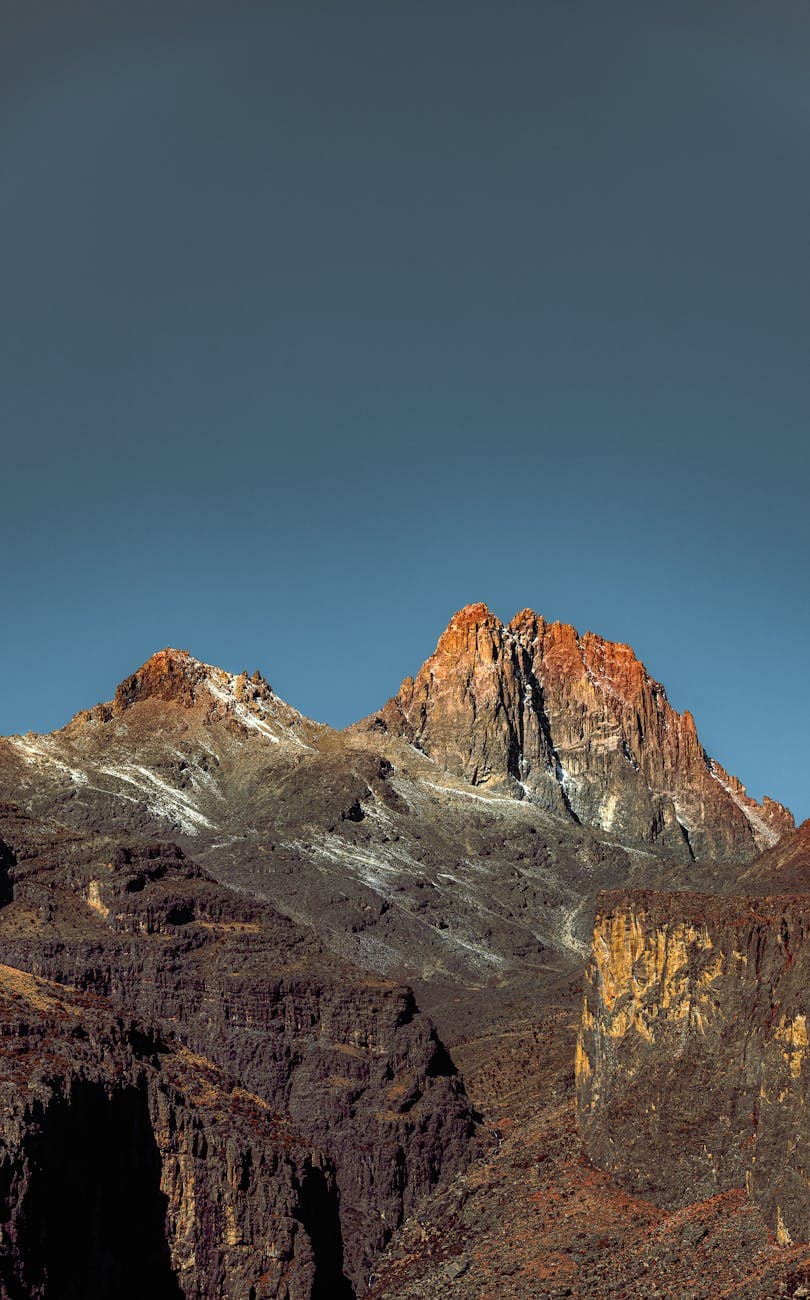
Kilimanjaro
5,895m
Pharmacist assessment and, where appropriate, treatment arranged in one 15-minute appointment.

Our pharmacist prescribes directly — no wait, no extra appointments.
Your risk assessment is free. Treatment cost confirmed at your appointment — no hidden fees.
Short lead time — come the day before your flight if needed.
Altitude sickness is caused by reduced oxygen levels at high altitude. Fitness, age, and previous experience do not protect you.
Altitude sickness — formally known as Acute Mountain Sickness (AMS) — occurs when you ascend too quickly for your body to adapt to lower oxygen levels. It typically develops above 2,500m, though some people are affected at lower altitudes.
Symptoms usually begin within a few hours of reaching altitude: headache, nausea, fatigue, dizziness, and difficulty sleeping. In most cases, mild AMS resolves with rest and no further ascent.
In some cases it can progress to more serious conditions — High Altitude Pulmonary Oedema (HAPE) or High Altitude Cerebral Oedema (HACE) — which are life-threatening without immediate descent.
A preventive medication option can reduce the risk by stimulating faster breathing, which increases blood oxygen levels and speeds up acclimatisation. It is recommended by the British Mountaineering Council and travel health guidelines for travellers who cannot acclimatise gradually. Our pharmacist assesses whether it is suitable for you.
Mild (AMS)
Headache, nausea, fatigue, dizziness, poor sleep
Rest, hydrate, do not ascend
Moderate
Severe headache, vomiting, significant fatigue, difficulty walking
Descend immediately, seek medical help
Severe (HAPE/HACE)
Breathlessness at rest, confusion, loss of coordination, coughing blood-tinged sputum
Emergency descent, oxygen, evacuation
Altitude sickness prevention is recommended for all of these destinations. Book your consultation before you fly.
5,895m
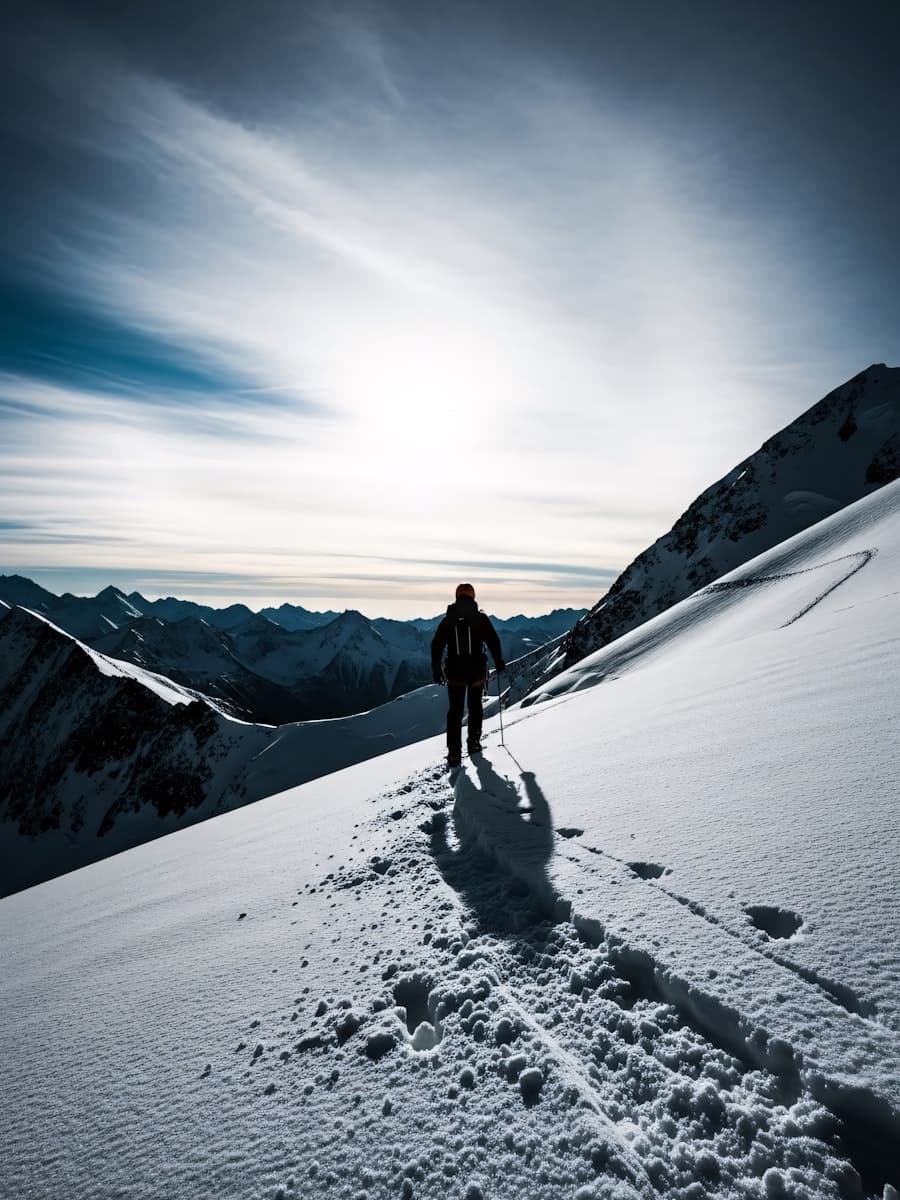
5,364m
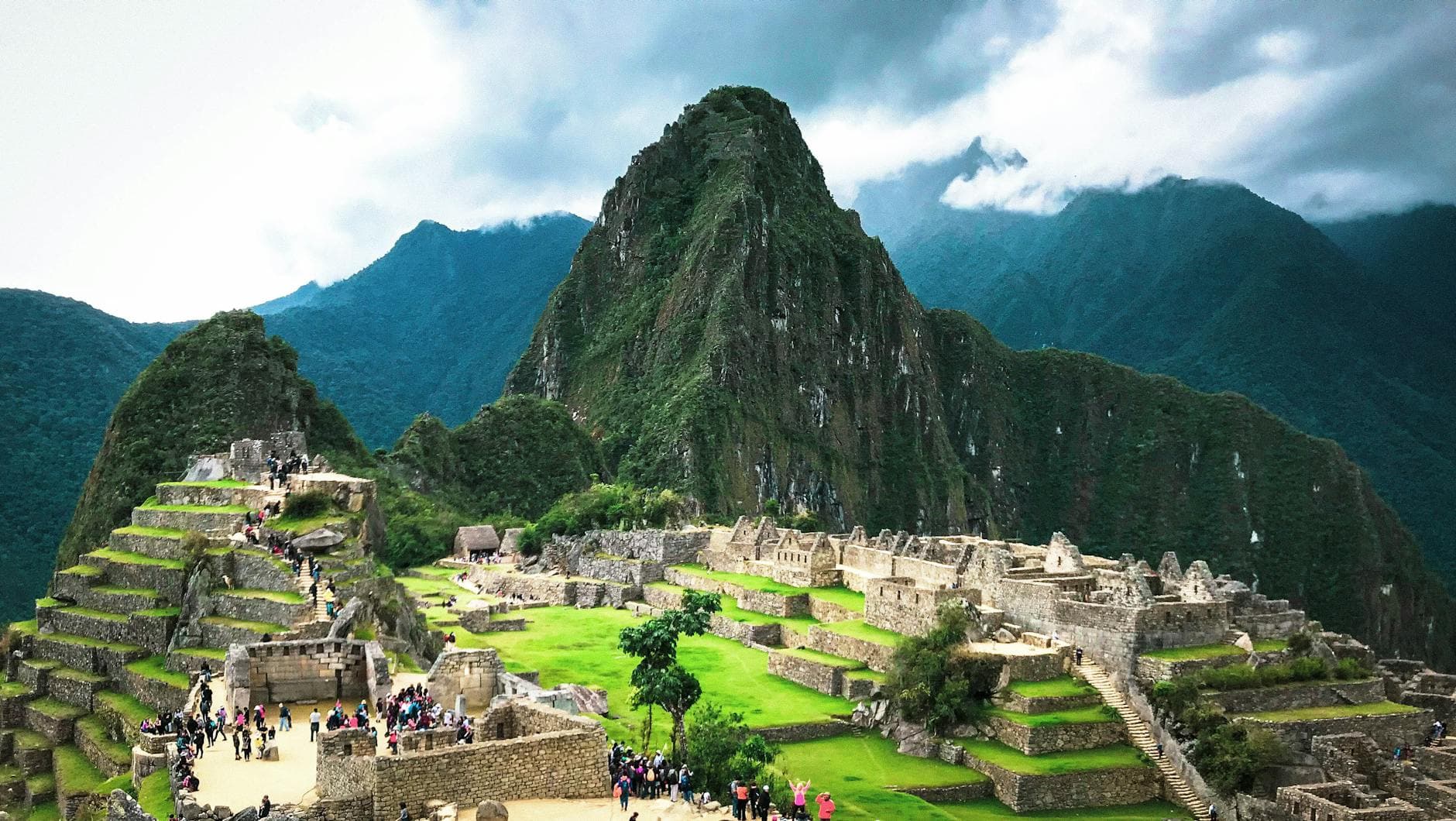
3,400m
3,640m
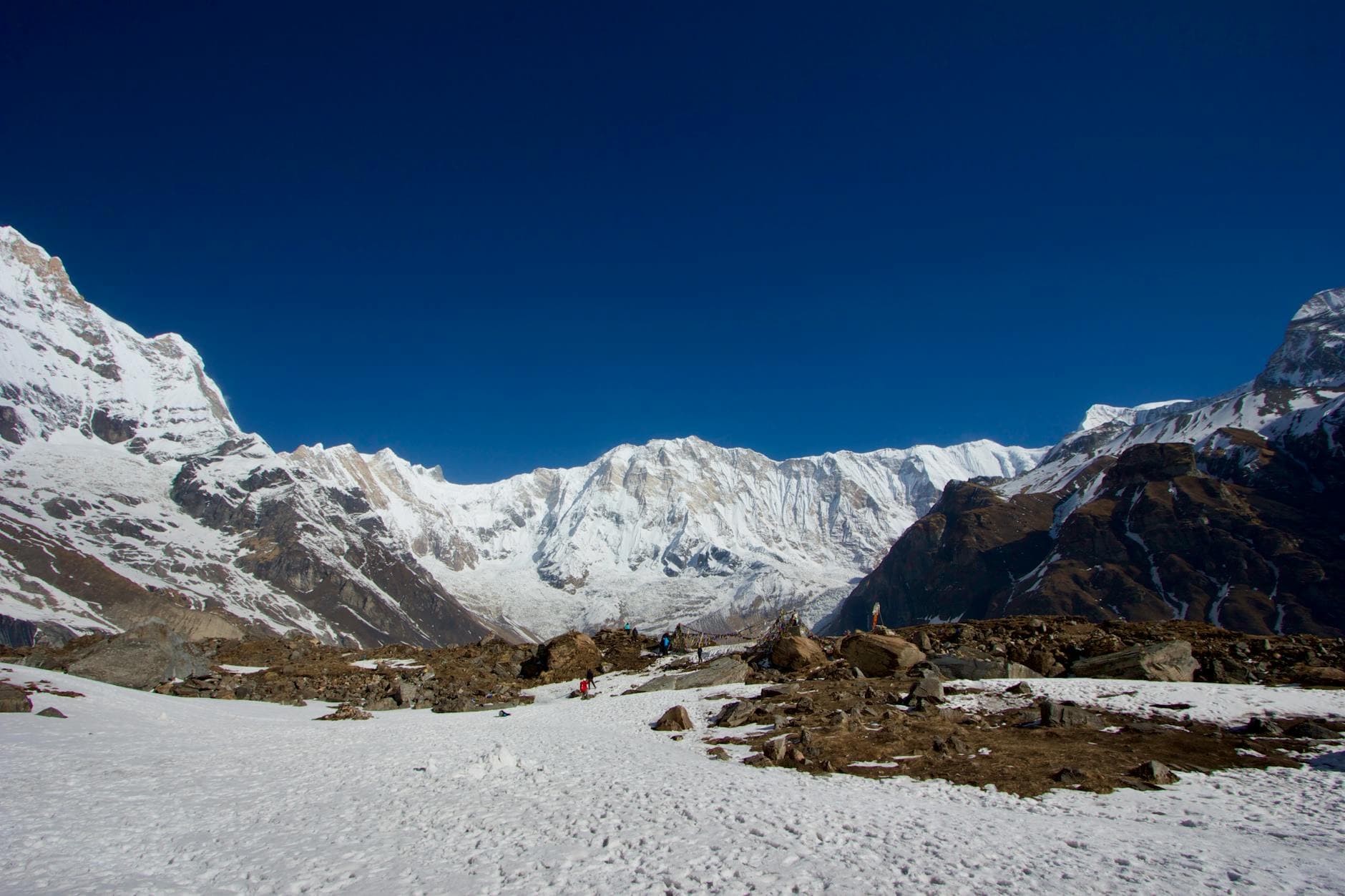
5,416m
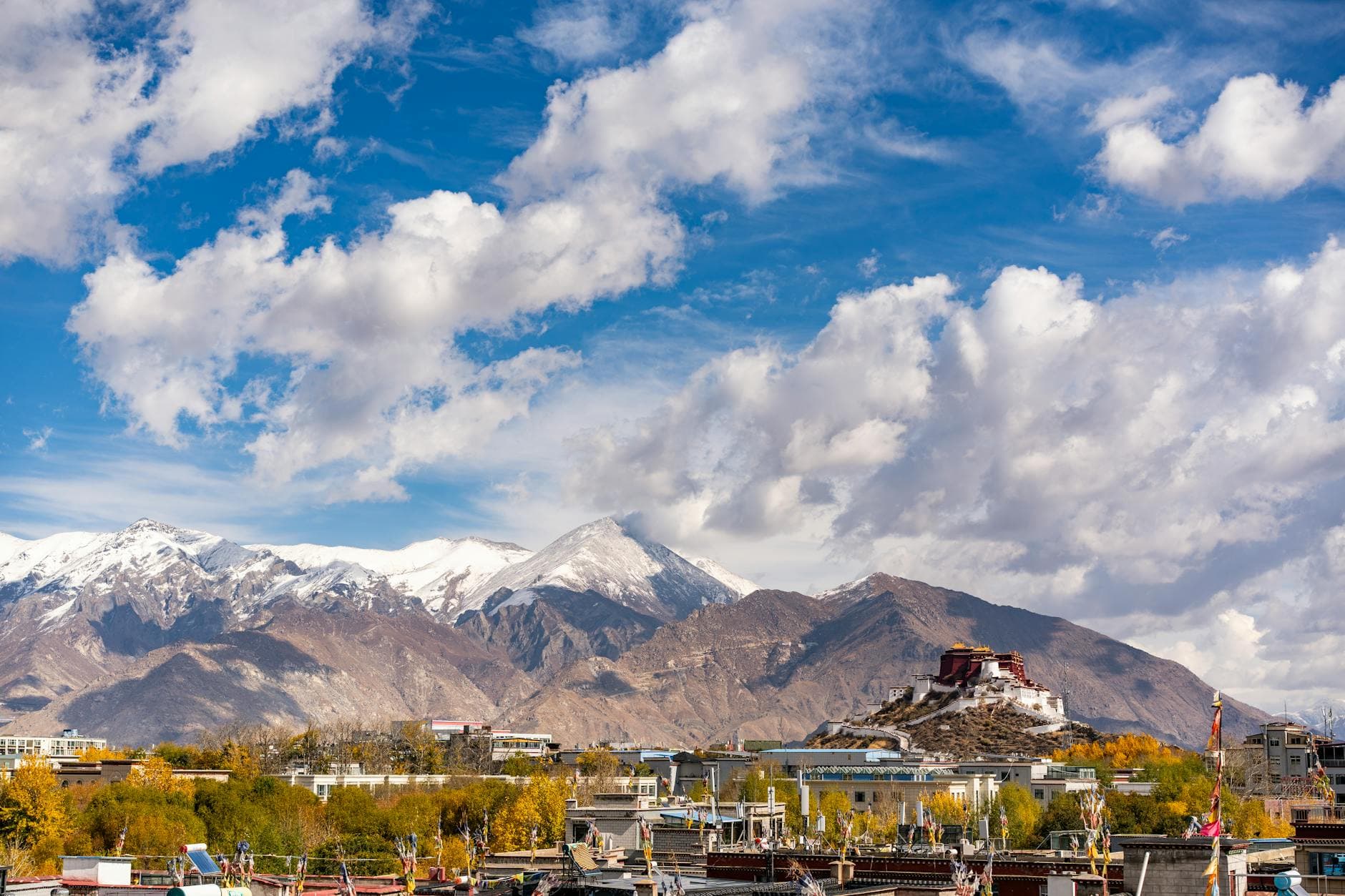
3,650m
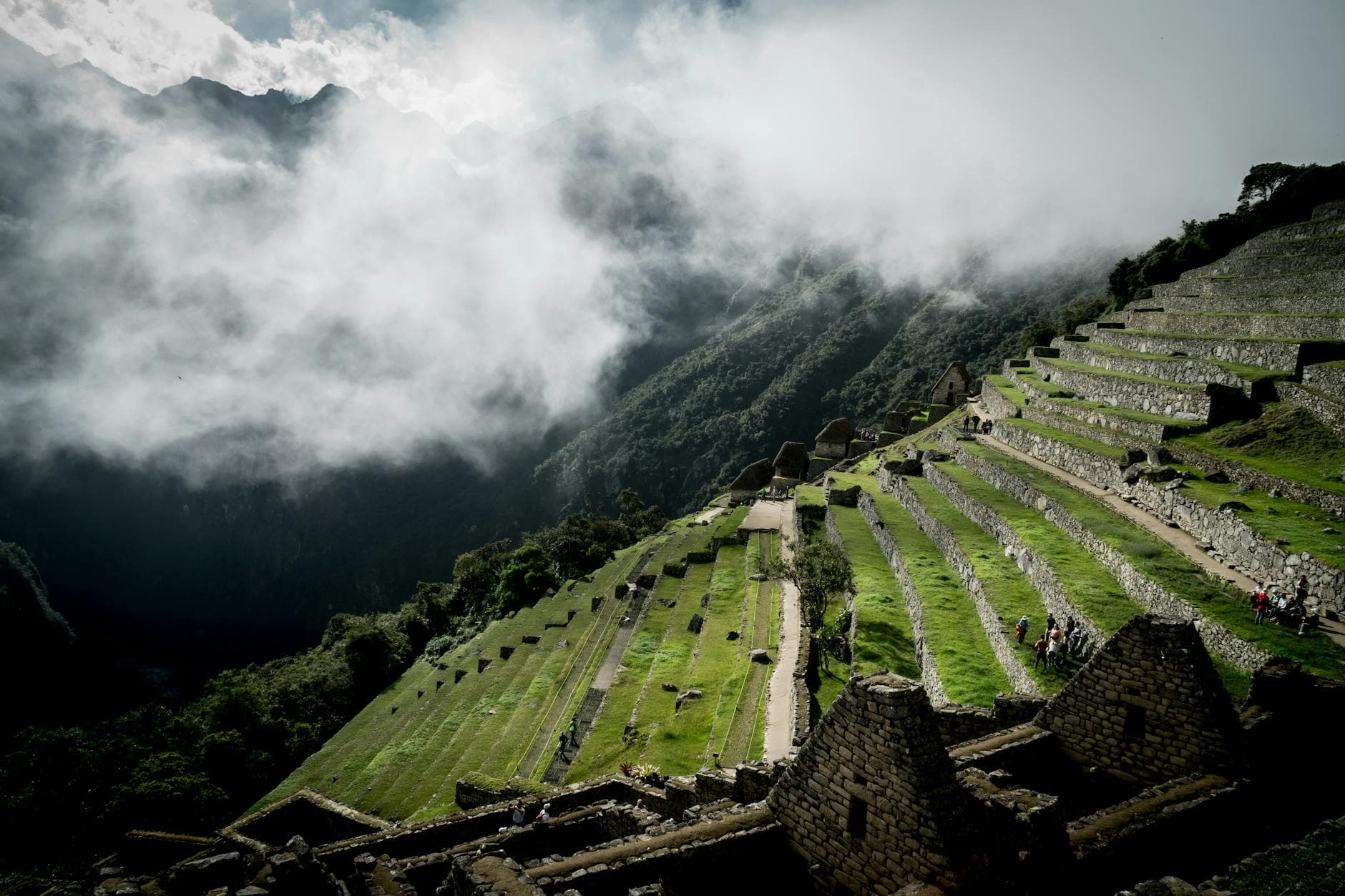
4,215m
5,199m
Share your destination, planned altitudes, and trip dates — the more detail the better.

Our pharmacist checks your health history for contraindications, confirms the correct dose, and explains the dosing schedule.

If a preventive treatment is clinically appropriate, the prescription is written on the spot — no GP referral required.
You leave with any prescribed treatment, full dosing instructions, and advice on recognising altitude sickness symptoms during your trip.
Any preventive treatment works best alongside sensible acclimatisation practice. Our pharmacist covers all of this at your appointment.
Above 3,000m, aim to gain no more than 300–500m of sleeping altitude per day. Build in a rest day every 3 days of ascent.
Drink 3–4 litres of water per day at altitude. Dehydration amplifies headaches and fatigue — the earliest AMS symptoms.
Alcohol impairs your body's acclimatisation response and worsens dehydration. Wait until your body has adjusted before drinking.
If symptoms don't improve with rest, or worsen at all, descend immediately. Even 300–500m can produce rapid relief. Never ascend with symptoms.
Most Kilimanjaro and trekking trips also require malaria tablets and standard travel vaccines.
Destination risk assessment and prevention advice for your trip — assessed in one visit, no GP referral.
Required for many African countries including Tanzania and Uganda. Certificate issued same day.
Free personalised review covering every vaccine and medication for your full itinerary.
Recommended for most developing-world destinations. Single dose, long-term protection.
Assessed and, where appropriate, treated in one visit. Call 0207 405 1039 or book online — no GP needed.